
7 Creativity Tips for Guitarists – Find Your Flow
I try to let go of all the judgmental factors and just appreciate the journey and what I’ve discovered so far. I don’t know, it kind of frees me up.
I’ve also noticed that I start listening to other players with a less judgmental ear, which is something I personally enjoy.
Frequently Asked Questions
How do I stop overthinking scales and just play sounds?
Instead of running through scale patterns mechanically, grab your guitar and record 2-3 minutes of improvisation without any specific goal. Listen back without judgment – you’ll naturally discover phrasing and connections between notes that your conscious mind might have blocked. This trains your ear to follow musical intuition rather than technical patterns.
Why does recording myself improvising help me find creative flow?
Recording removes the pressure of real-time performance and lets you focus purely on exploration. When you listen back objectively, you hear melodic ideas and triadic movements you didn’t consciously think about, which builds confidence in your instinctive playing and reveals gaps between what you imagine and what you actually play.
How can I develop a less judgmental ear when listening to other guitarists?
By regularly improvising without self-criticism, you naturally shift away from analyzing technique and instead appreciate the journey and choices other players make. This mindset helps you absorb phrasing, voice leading, and emotional expression from other musicians rather than just comparing skill levels.
What’s the difference between practicing scales and playing sounds for creativity?
Scale exercises build muscle memory but often disconnect from musical expression – you’re following a predetermined path. Playing sounds means exploring how arpeggios, triads, and intervals actually feel and sound, which creates the creative flow state where you’re making intentional musical choices rather than executing drills.
01 Letting Go and Embrassing Creativity While Playing Music
Today was a nice day off from thinking. I spent some time playing guitar and improvising. It’s always interesting to listen back and see what I come up with. I try to let go of judgment and just appreciate the journey and what I’ve discovered so far. It feels freeing and allows me to listen to other players with a less judgmental ear, which I personally enjoy.
As I played, I couldn’t help but reflect on how much playing music has brought me joy and relaxation over the years. It’s a form of self-expression that allows me to fully engage with the present moment and let go of any stress or worries.
I also find that when I play music, I’m able to tap into a creative flow state where I’m able to come up with ideas and solutions to problems that I might not have thought of before. It’s almost as if the act of playing allows my mind to relax and open up to new possibilities.
It’s easy to get caught up in the hustle and bustle of daily life and feel like we always have to be productive and achieve something. But taking a day off from thinking and just enjoying the present moment is so important for our well-being. It allows us to recharge and refocus on what really matters.
So, I’m grateful for this day off and for the opportunity to spend some time playing music. It’s a reminder to take breaks and nurture our creativity and well-being.
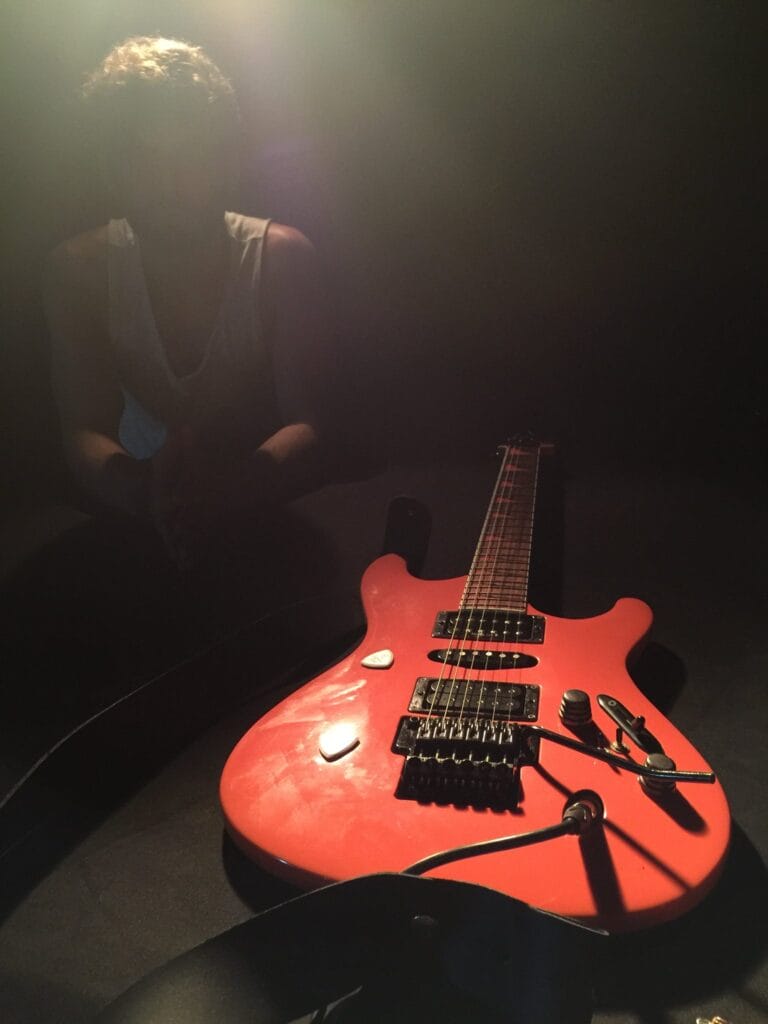
02 7 Creativity Tips that will you help you find your Flow
In the end, it’s all about finding a way to let go and embrace the creative process. Whether you’re playing solo or with others, these tips can help you find a sense of
If you’re looking for more creativity tips, extra inspiration, lessons, and tips for playing music, be sure to check out my YouTube channel.
I love hearing your thoughts and answering any questions you might have, so don’t hesitate to leave me a comment.
Daniel
